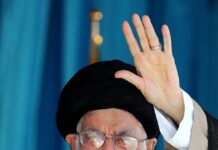
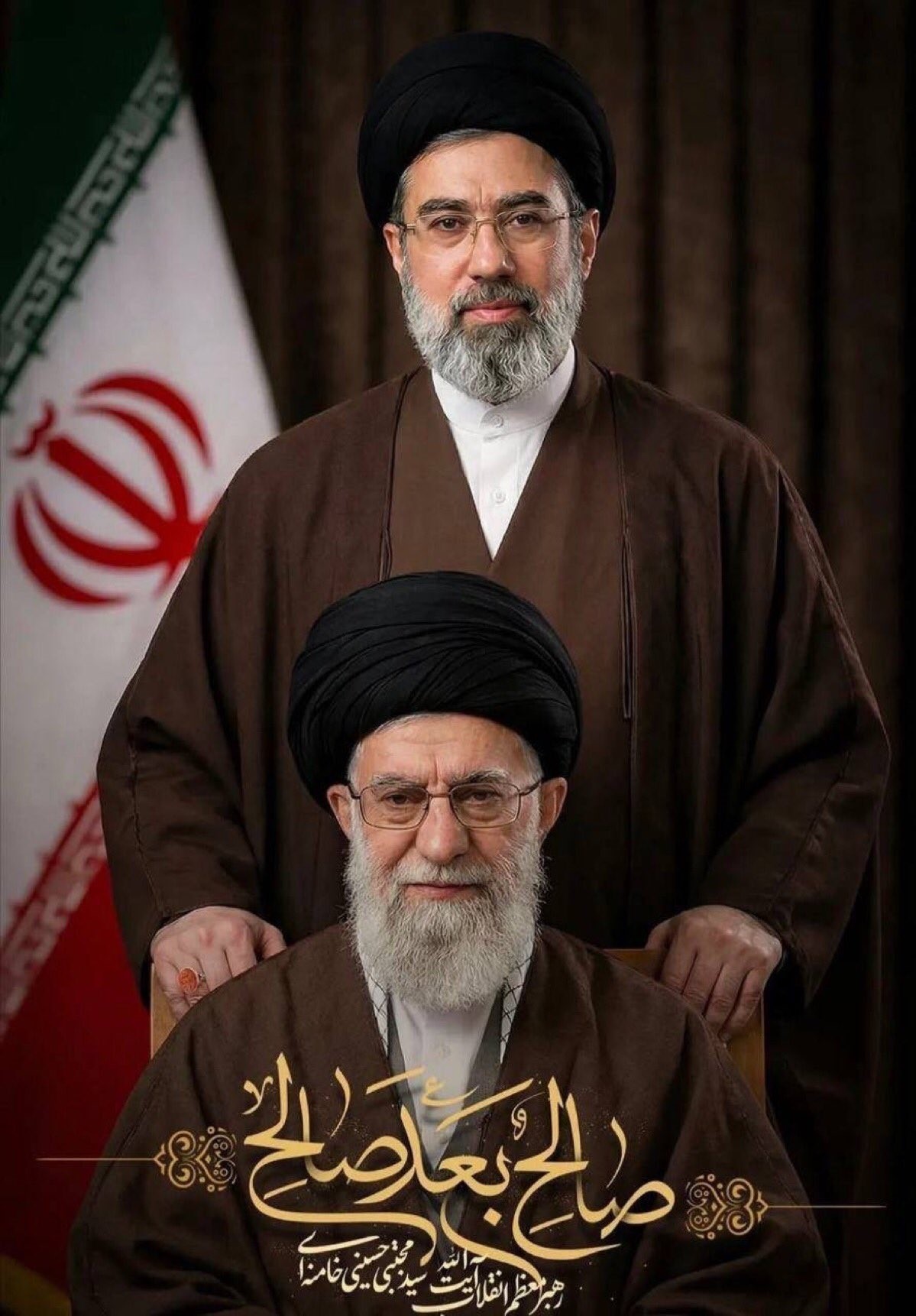
Tehran — In a historic and controversial political development, senior cleric Mojtaba Khamenei has reportedly emerged as the new Supreme Leader of Iran, succeeding his father Ali Khamenei. The move marks a major transition in the leadership of the Islamic Republic and could reshape the country’s political and strategic direction for decades to come.
A Historic Transition in Iran’s Leadership
The position of Supreme Leader is the highest authority in the Islamic Republic, overseeing the military, judiciary, state broadcasting, and key political institutions. The role was first held by Ruhollah Khomeini after the Iranian Revolution, and later by Ali Khamenei following Khomeini’s death in 1989.
With the transition to Mojtaba Khamenei, Iran may witness the first time the country’s highest authority effectively passes within the same family — a development that has sparked debate among political analysts and observers both inside and outside Iran.
Who Is Mojtaba Khamenei?
Mojtaba Khamenei, born in 1969 in Mashhad, is the second son of Ali Khamenei. Unlike many public figures in Iranian politics, Mojtaba has largely maintained a low public profile. However, he has long been regarded as an influential figure within Iran’s political and security establishment.
He studied Islamic theology in Qom, Iran’s major religious center, and became closely connected with senior clerics and political institutions aligned with the ruling system.
Over the past two decades, Mojtaba Khamenei has reportedly built strong ties with powerful entities such as:
- The Islamic Revolutionary Guard Corps
- Conservative political networks
- Religious seminaries in Qom
Many analysts believe these relationships helped consolidate his influence behind the scenes.
Controversies and Criticism
Mojtaba Khamenei’s rise has not been without controversy. Critics inside and outside Iran have previously warned that his potential succession could resemble a dynastic transfer of power, something that contradicts the ideological foundation of the Islamic Republic, which was established to oppose hereditary rule.
Some reformist voices have argued that such a development could deepen political tensions within the country.
However, supporters say Mojtaba’s years of involvement in political and religious circles have prepared him for leadership and ensured continuity within the Islamic system.
Implications for Iran and the Region
As Supreme Leader, Mojtaba Khamenei would assume authority over critical state institutions, including:
- Iran’s armed forces
- The judiciary
- Strategic foreign policy decisions
- The nuclear program
- Appointment of key officials and clerics
His leadership could influence Iran’s stance toward regional conflicts, relations with Western countries, and alliances with partners such as Russia and China.
Observers are now closely watching how his leadership style will compare with that of his father and how it may shape Iran’s domestic and foreign policies.
What Comes Next
Political analysts say the coming months will be crucial as Iran’s leadership structure stabilizes under the new Supreme Leader. Decisions regarding economic reforms, regional security, and diplomatic relations could provide early indications of Mojtaba Khamenei’s priorities and governing approach.
For Iran and the wider Middle East, this transition represents one of the most significant leadership changes in the Islamic Republic in more than three decades.